Floating solar power plants: added value for local communities
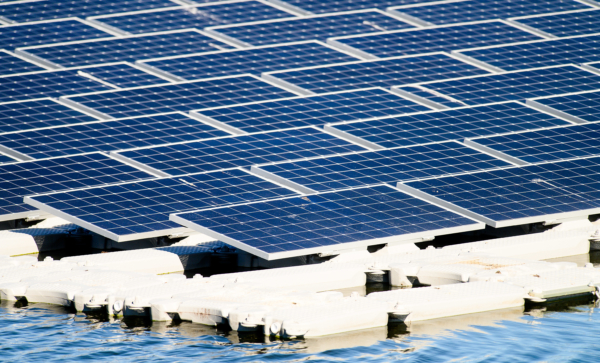
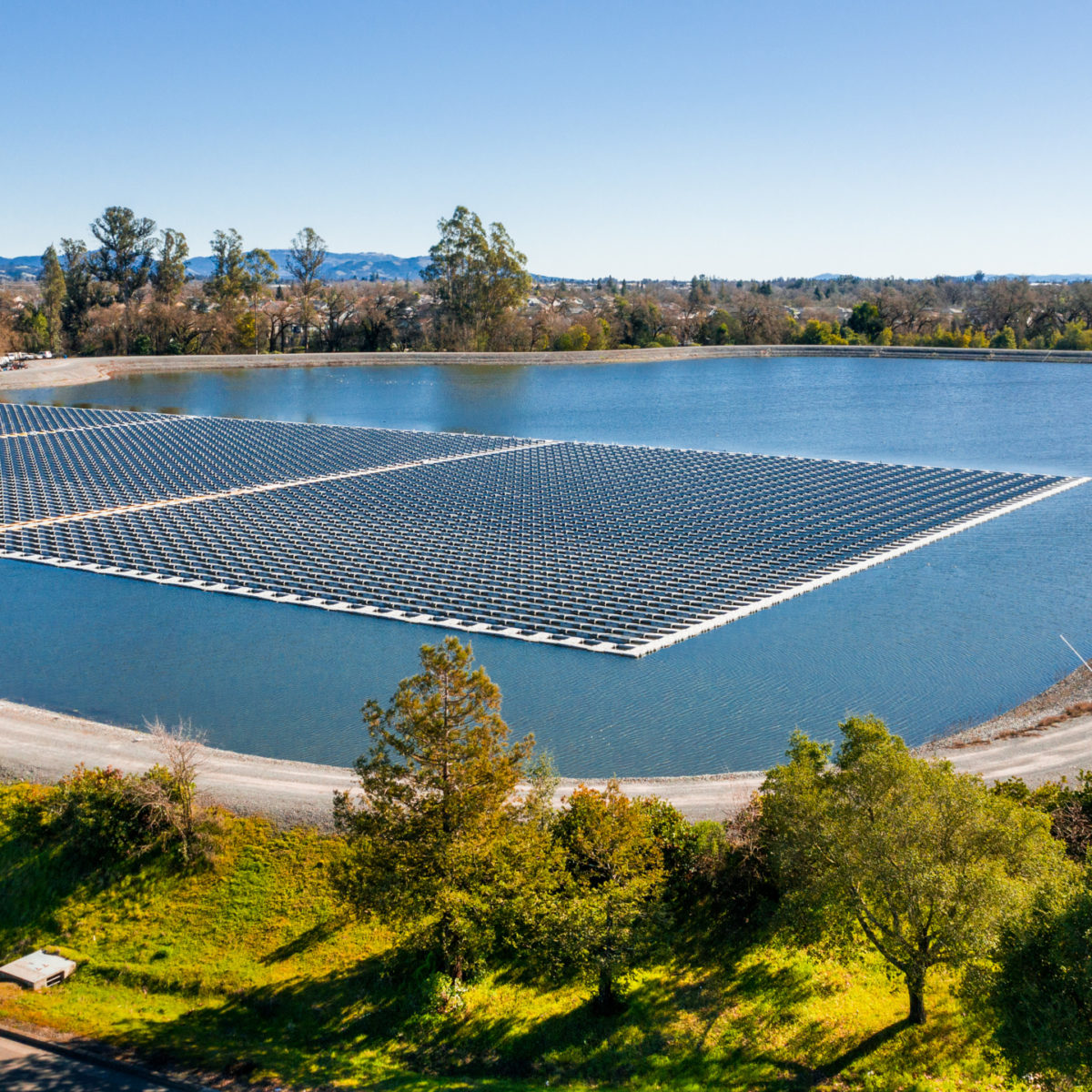
Floating solar power is emerging as an innovative and sustainable way to diversify renewable energy production. Unlike ground-mounted systems, floating photovoltaic plants use artificial water bodies that are unused or underutilized. This approach avoids the artificialization of agricultural and natural land. In addition to producing local green electricity, this technology offers several key advantages. It helps limit water evaporation, preserve ecosystems, and reduce the carbon footprint. It also optimizes areas that were previously unused. For local authorities owning water bodies, it is a real strategic opportunity. It generates stable income through long-term leases and reduces energy bills through self-consumption. Finally, it strengthens their role as committed actors in the energy transition.
Floating solar: an innovative solution with multiple benefits
Faced with the climate emergency and unstable energy prices, France must accelerate the deployment of renewable local solutions. Solar energy is already growing rapidly, but floating photovoltaics offer a valuable complementary response. They make use of underused or unexploited water surfaces efficiently. This technology goes beyond producing green energy alone. It also strengthens and secures the local energy supply. For local authorities owning water bodies, it represents a true strategic opportunity. It combines economic advantages, environmental benefits, and recognition for their commitment to the energy transition. Finally, these projects contribute directly to the European Union’s 2050 carbon neutrality goals.
A profitable investment for local authorities
Installing a floating solar power plant on a body of water provides significant economic benefits for the community. One key lever is the use of a long-term lease, a contract up to 90 years for long-term infrastructure projects. For floating solar projects, leases usually last 20 to 40 years, matching the plant’s estimated lifespan. This arrangement allows the water body owner to receive regular rent, ensuring a stable long-term income. In some cases, the plant can operate with partial self-consumption. Part of the electricity can directly power municipal buildings, like gyms, schools, or administrative centers. This reduces community energy bills while feeding surplus electricity into the national grid. Finally, implementing these projects can mobilize local actors or businesses, especially during the study phases.
The environment at the heart of the project
Ecological advantages of floating photovoltaics
The installation of a floating photovoltaic power plant also offers many environmental advantages.
Firstly, the partial coverage of the water surface by the panels limits evaporation thanks to the shading effect, which is particularly beneficial in regions facing drought or declining water reserves.
Studies such as the SOLAKE project conducted by the CRBE department of the University of Toulouse III (CNRS) aim to quantify the effects of floating photovoltaic power plants on biodiversity and freshwater ecosystems. They consider not only the impact on biodiversity but also the reduction in water temperature due to the partial coverage of the water surface.
Furthermore, unlike conventional land-based solar installations, floating power plants only need land for technical facilities on the riverbank. This approach preserves natural spaces.
At Laketricity, our photovoltaic plants are designed to blend harmoniously into the site’s ecosystem without altering it. To achieve this, we conduct environmental studies to identify and integrate all necessary measures into the project.

Our commitment to responsible integration
How do we proceed?
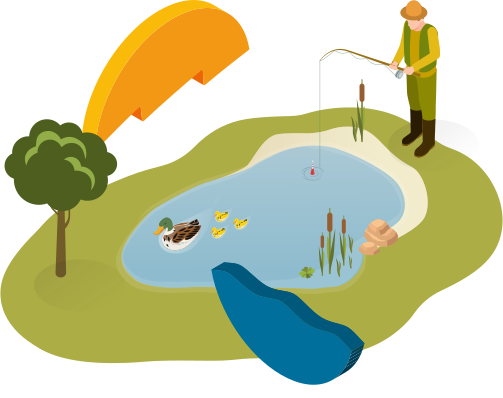
At Laketricity, we conduct in-depth environmental studies during the preparatory phase to ensure sustainable integration of our floating solar plants. This approach preserves aquatic and terrestrial biodiversity and limits landscape impact. When needed, we propose additional developments adapted to the site, such as battery storage systems or enhancing existing activities like fishing or walking areas. All our actions follow the regulatory sequence “Avoid – Reduce – Compensate” (ARC), a recognized methodology for protecting natural environments:
- Avoid potential damage to the environment,
- Reduce impacts when they cannot be completely avoided,
- Compensate for residual effects as a last resort.
This comprehensive approach promotes the preservation of the ecosystem throughout the project and helps maintain its balance over time. It also helps to strengthen local acceptance and highlight the positive role of floating solar power in the energy transition. By helping to reduce the carbon footprint of communities and raising public awareness of environmental issues, each power plant becomes a real lever for reconciling clean energy production, sustainable development, and regional revitalization.

Consultation, at the heart of our FPV approach
Integrating the project into a region requires genuine consultation and communication with residents. To ensure success, we communicate through newsletters, press articles, and information sessions where Laketricity teams meet residents directly. A monitoring committee is also established to encourage dialogue between the project leader and local representatives. This committee ensures the project is tailored through regular exchanges. In some cases, crowdfunding via platforms like Enerfip allows citizens to invest and share in profits. This model promotes local support by involving residents in the energy transition while providing financial benefits.
An innovative and committed initiative
Committing to floating solar energy also means asserting one’s role as an innovative and responsible local authority in the face of ecological and environmental challenges.
Still relatively uncommon in the country, the installation of a floating solar power plant is a concrete and inspiring example for the region. It can become a showcase project, illustrating the successful integration of renewable energies into communities.

These initiatives are fully in line with the European energy transition objectives, particularly those concerning the diversification of the energy mix, aiming for 42.5% renewable energy in the overall European mix by 2030. Within this framework, solar energy is expected to play a central and strategic role, driving both decarbonization efforts and energy independence across the continent.
Finally, floating solar energy offers a concrete response to the climatic, economic, and energy challenges facing communities. By using unused bodies of water (such as quarries, reservoirs,etc.), this solution makes it possible to produce renewable energy without taking up agricultural or natural land. The advantages are numerous: long term income from long-term leases, reduced electricity bills through self-consumption, limited environnemental impact, and a stronger image for a committed community. It is also a means of achieving energy transition objectives at the local level, in line with national and European commitments. Floating solar is not just a technology : it is a tool for local communities, enabling them to act, innovate, and lead by exemple.
Author : Lou-Ann Gavignet